
CCB # - 214246
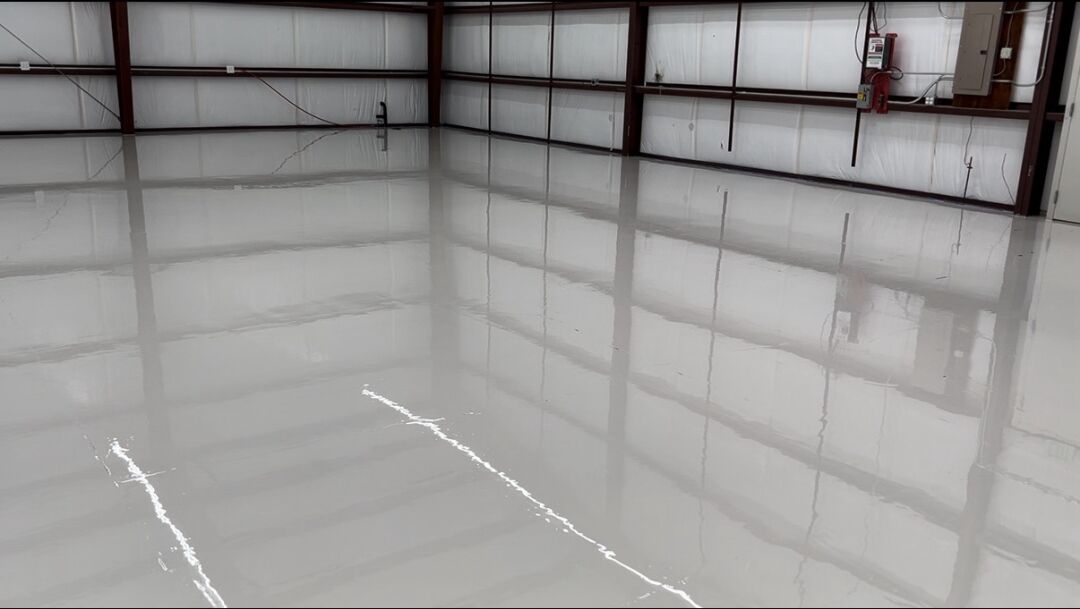
Epoxy flooring is a popular choice for residential and commercial spaces due to its durability and aesthetic appeal. This guide explores the basic composition, benefits, installation process, and maintenance of epoxy flooring, providing you with the knowledge needed to make an informed decision.
Epoxy flooring is a type of resin flooring that consists of a mixture of resin and hardener, which, when combined, creates a durable and long-lasting surface. The chemical reaction between these two components results in a strong bond that adheres well to concrete surfaces, making it an ideal choice for various applications. The unique properties of epoxy flooring also allow it to withstand heavy foot traffic, resist stains, and provide a seamless, easy-to-clean finish.
As we mentioned, the two main components of epoxy flooring are resin and hardener. The resin serves as the base material, providing the flooring with its strength and durability. The hardener, on the other hand, initiates the curing process, allowing the resin to bond effectively to the concrete surface. This chemical reaction produces a solid, long-lasting floor that withstands various environmental conditions.
For epoxy to bond effectively to concrete surfaces, proper surface preparation is essential. This involves cleaning the concrete to remove dirt, grease, and other contaminants, then profiling the surface to ensure a strong mechanical bond. The chemical bonding occurs as the epoxy cures, creating a robust connection that enhances the floor’s durability and longevity.
Epoxy flooring offers numerous advantages, making it a popular choice for many property owners. However, it also has some drawbacks that should be considered before installation.
Epoxy flooring offers a range of practical benefits, making it a popular choice for residential and commercial spaces. From long-lasting performance to low-effort upkeep, its advantages go beyond just good looks.
While epoxy flooring has many strengths, it’s important to consider a few potential downsides before making a decision. Understanding these limitations can help you determine whether epoxy is the right fit for your space and how to plan around its challenges.
Installing epoxy flooring involves several critical steps to ensure a successful application.
Before applying epoxy, the concrete surface must be thoroughly cleaned and prepared. This includes:
Installing epoxy flooring is a precise process that requires careful preparation and attention to detail at every stage. Following the correct installation steps and allowing proper curing time are essential to achieving a durable, long-lasting finish. Here are the basic steps:
Proper maintenance is crucial for extending the life of epoxy flooring. To maintain epoxy floors, follow these cleaning routines:
Proper care can significantly extend the life and appearance of your epoxy flooring. By taking simple preventive steps and addressing minor damage early, you can keep your floors looking and performing like new for years.
Epoxy flooring stands out as a durable and aesthetically pleasing choice for various applications, offering benefits such as easy maintenance and chemical resistance. Understanding its components and installation process can empower you to make an informed decision that enhances your space.
Whether for residential or commercial use, selecting the right epoxy type with a concrete contractor’s help can significantly improve the longevity and appearance of your floors. Contact us today to learn more about our range of epoxy flooring solutions and elevate your environment.