CCB # - 214246
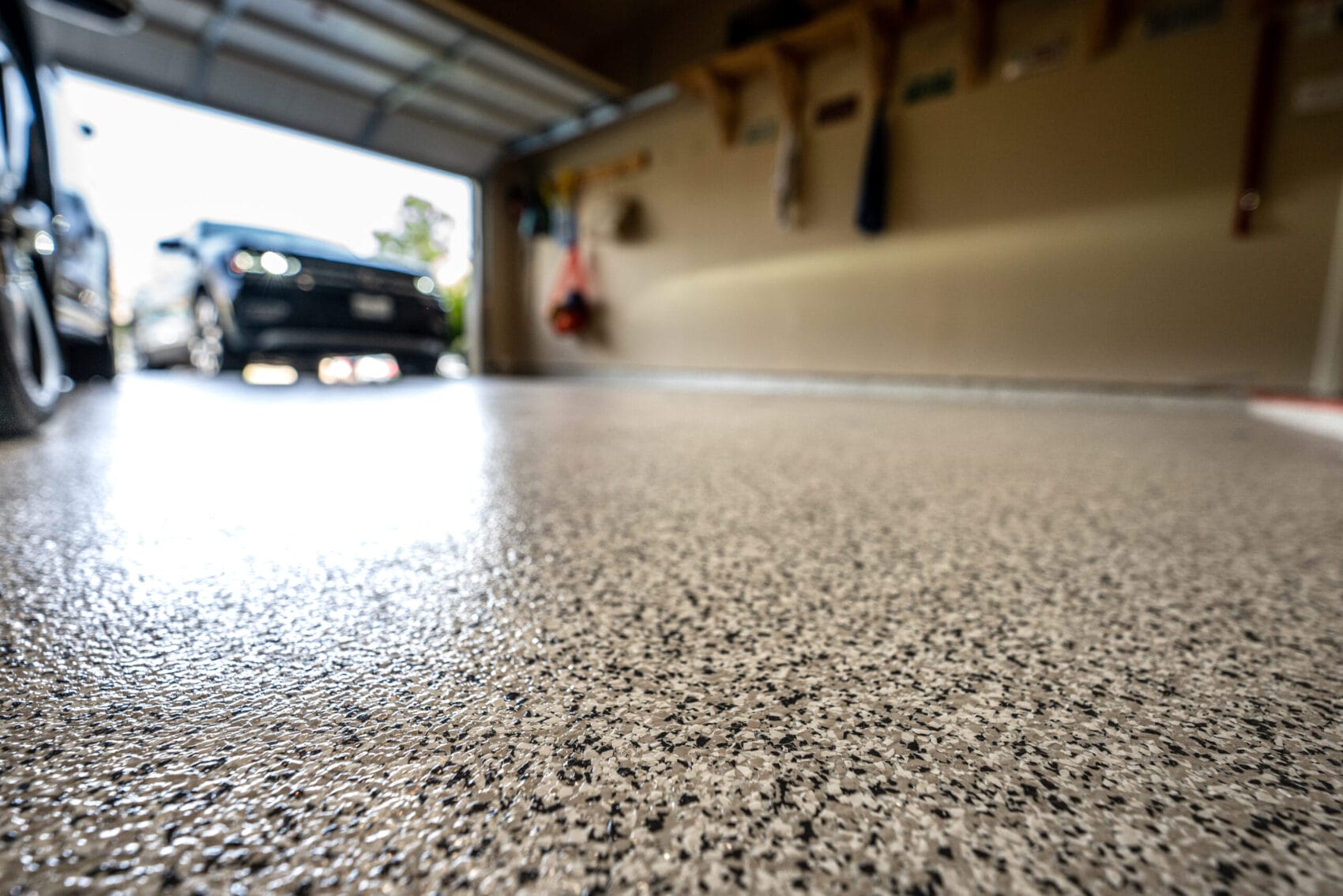
Epoxy flooring is a two-part resinous coating that bonds to concrete to create a hard, seamless surface—offering exceptional durability, stain resistance, and easy maintenance for garages and basements. More than just a cosmetic upgrade, epoxy floors provide long-term value by protecting concrete from damage, enhancing safety, and transforming spaces into clean, functional, and attractive areas.
In this article, we’ll explain what epoxy flooring is, how epoxy garage and basement systems work, and why so many homeowners and businesses consider them a worthwhile investment. You’ll learn how epoxy coatings deliver superior durability, chemical resistance, aesthetics, and cost savings that make them one of the most practical and valuable flooring solutions available today.
Epoxy flooring delivers a durable, chemically resistant surface that protects concrete by forming a cross-linked polymer layer that resists abrasion and stains. This reduces surface wear from vehicle traffic, tools, and foot traffic while preventing oil, gasoline, and many household chemicals from penetrating the slab. The result is a longer-lasting floor that is easier to clean and more presentable than bare concrete, making epoxy flooring a practical upgrade for both garages and basements.
Here are the biggest benefits and how each one translates into everyday value for homeowners and business owners.
These benefits combine into measurable value: reduced cleaning time, fewer repairs, and a more functional space that supports workshop use or enhances resale appeal.
Epoxy flooring enhances durability through a chemistry of resin and hardener that cures into a tightly cross-linked polymer network, producing high tensile and abrasion resistance. This molecular cross-linking makes epoxy less prone to wear than untreated concrete, and the cured film resists common garage chemicals, including petroleum products and many solvents.
For example, an oil spill on epoxy can typically be blotted and cleaned without leaving a deep stain, whereas bare concrete absorbs hydrocarbons and often requires intense degreasing. The combination of impact resistance and chemical tolerance reduces the frequency of surface repairs and extends the service life of the slab.
Epoxy floors improve safety by allowing the intentional incorporation of slip-resistant aggregates and by increasing ambient reflectivity to improve visibility in low-light basements and garages. Slip-resistant additives, such as silica sand or broadcast aggregate, create textured surfaces that increase traction where moisture, oil, or dust may be present.
Additionally, lighter epoxy colors and reflective topcoats help distribute light across a space, reducing the need for additional lighting and improving hazard detection. When choosing slip resistance, consider activity level and footwear: heavier workshop use benefits from coarser aggregate, while vehicle storage can use finer textures to balance traction and tire wear.
Epoxy flooring enhances aesthetics through a range of system styles—solid color epoxy, flake systems, metallic epoxy, and gloss or satin topcoats—that transform utilitarian concrete into showroom-quality surfaces. Solid color epoxy yields a uniform, low-cost finish suited for garages needing clean utility, while flake systems broadcast colored chips to mask imperfections and create custom blends.
Metallic epoxy produces three-dimensional, high-end visual depth for finished basements or showroom garages but requires highly skilled application to ensure consistent appearance. Color choice and finish sheen influence perceived brightness and space size, so coordinating floor color with lighting and cabinetry can dramatically change a room’s feel.
Epoxy flooring is easy to maintain because the cured surface is nonporous and resists staining, making routine cleaning a matter of sweeping and mopping rather than deep scrubbing or sanding. Simple maintenance steps—daily sweeping to remove grit, periodic damp-mopping with a pH-neutral cleaner, and immediate spot cleanup for fuel or battery acid—keep epoxy floors performing well.
Avoid abrasive tools and harsh solvents that can dull or damage the topcoat. Instead, use soft brushes or microfiber mops and gentle detergent solutions. Because epoxy resists dirt and oils, the long-term maintenance burden is lower than that for untreated concrete or some decorative overlays.
These low-maintenance properties contribute to long-term cost savings and better appearance retention, which in turn increase property value and justify the initial investment.
Epoxy flooring adds value by reducing lifecycle costs, improving usability, and enhancing visual appeal, which can positively influence buyers or tenants. The durable surface lowers the frequency of costly repairs and surface treatments, and the improved appearance can make garages and basements feel like intentional, usable spaces rather than neglected utility areas.
For homeowners who use garages as workshops or storage, epoxy’s protective qualities preserve tools and vehicles by creating a cleaner environment. Commercial properties benefit from reduced downtime and maintenance costs, plus a professional look that supports client-facing spaces. These economic and aesthetic advantages form the basis for assessing whether epoxy is a worthwhile investment for a specific property.
Maintaining epoxy floors centers on regular cleaning, preventive protection, and timely recoats or touch-ups when wear appears, and simple routines preserve appearance and performance. Because epoxy is nonporous, routine sweeping and damp-mopping with pH-neutral cleaners remove grit and spills without damaging the topcoat.
Preventive measures such as mats under heavy equipment, soft wheel casters, and avoiding harsh solvents reduce abrasion and chemical attack. Below we provide recommended cleaning methods, prevention tips, and guidance on when to refinish or touch up to extend service life.
Here are somerRecommended cleaning methods that include both routine and stain-response steps:
Consistent cleaning routines and quick spill response help maintain the floor’s protective properties and visual appeal; the following subsections expand on specifics and refinishing triggers.
Safe cleaning relies on nonabrasive tools and neutral cleaning solutions that preserve the topcoat while removing dirt and oils. Use a soft-bristle broom or microfiber dust mop to remove grit that can scratch the surface, and mop with a diluted, pH-neutral cleaner for routine cleaning. For oil or chemical spills, blot up excess immediately and clean with a mild degreaser, rinsing thoroughly to prevent residue buildup. Avoid strong acids, ammonia-based cleaners, or industrial solvents that can attack the epoxy binder and dull the finish.
Prevent damage by using mats in entryways, protective pads under heavy equipment, and by avoiding dragging sharp objects across the surface. These simple steps minimize abrasion and concentrated stress points. Place absorbent mats under vehicles and near work benches to catch drips and spills before they contact the epoxy surface, and use soft-wheel casters on rolling equipment to reduce wear patterns. Refrain from using strong solvents or abrasive cleaners that strip topcoats, and schedule periodic inspections to catch small damage before it expands. Proactive prevention maintains aesthetics and delays the need for costly repairs or recoats.
Recoat or touch-up decisions should be based on visible wear, surface scratches, or loss of gloss—often after several years depending on traffic. Light residential use may need a maintenance recoat at 8–12 years, while high-traffic workshops may require attention sooner. Small surface scratches can sometimes be repaired with spot sanding and a local topcoat, but larger wear areas or color fading typically warrant a full recoat after proper scuffing and cleaning. Refinish steps include cleaning, light abrasion to promote adhesion, and application of a new topcoat following manufacturer recoat windows and conditions. Timely, well-executed maintenance restores protection and extends overall lifespan.
Investing in epoxy flooring for your garage or basement is more than an aesthetic improvement—it’s a smart, long-term upgrade that protects your concrete and adds measurable value to your property. By combining exceptional durability, chemical resistance, and easy maintenance, epoxy floors reduce repair costs, extend surface lifespan, and minimize upkeep compared to bare concrete or other coatings.
To explore the best epoxy system for your space and budget, consider consulting a professional concrete contractor and installer. With the right product and preparation, you can enjoy a floor that delivers both immediate impact and long-lasting value.