
CCB # - 214246
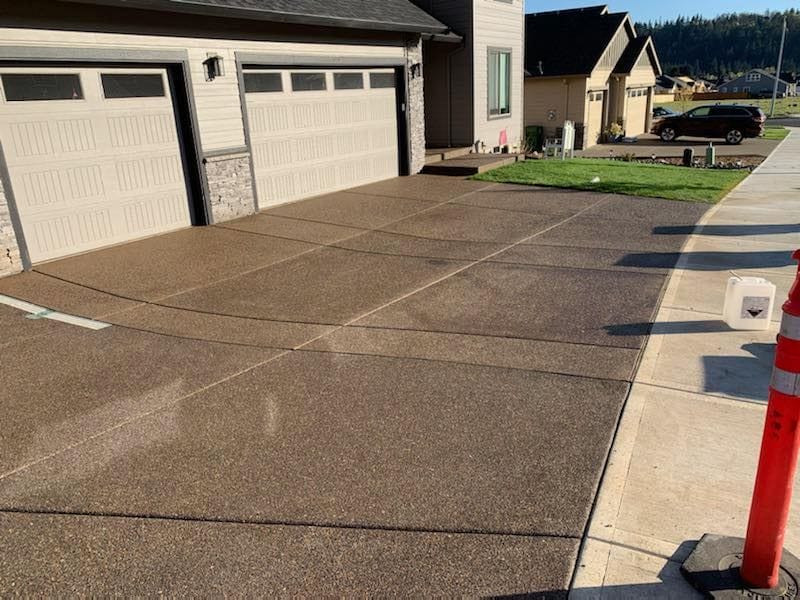
Driveway concrete solutions for Salem homeowners cover installation, repair, resurfacing, decorative finishes, cost planning, and seasonal maintenance to protect both curb appeal and structural performance. This article explains what to expect during a concrete driveway installation, how to diagnose and address common failures, which decorative options deliver long-term value, and how to budget and maintain a driveway in Salem and Dallas, OR climate. Readers will gain a clear step-by-step installation roadmap, a concise diagnostic checklist for repairs versus replacement, cost drivers and financing considerations, and a seasonal maintenance plan tailored to local conditions. The goal is practical guidance you can use to evaluate bids, plan a resilient driveway, and prioritize interventions that extend service life while improving aesthetics. Throughout, the guide integrates localized considerations for Salem, Oregon, and highlights practical choices — from subbase depth to decorative stamping — to help homeowners make informed decisions about driveway concrete services in Salem.
A proper concrete driveway installation begins with a site evaluation, continues through subbase preparation, reinforcement and pouring, and ends with finishing, jointing, and controlled curing to achieve long-term durability and appearance. Installing a durable driveway depends on correct subgrade compaction, appropriate reinforcement (rebar or wire mesh), proper joint placement to control cracking, and curing that prevents rapid moisture loss; each step reduces the risk of premature failure and improves load-bearing capacity. Homeowners benefit from understanding these phases because local soil conditions and seasonal weather in Salem influence subbase depth and mix design choices.
Salem and the broader Dallas, OR present specific factors — such as alluvial soils, seasonal rainfall, and occasional freeze events — that influence subbase design, drainage solutions, and pour timing. Soil with high organic content or clay may require deeper excavation and a thicker gravel subbase to prevent settlement, while consistently wet seasons demand extra attention to surface slope and drainage swales to redirect water away from the slab. Local permit requirements and neighborhood setback rules can limit widening or alteration of existing driveways, and optimal timing for major pours often falls in late spring to early fall when weather is most predictable. Accounting for these local factors during planning reduces surprises and supports a more resilient installation.
Decorative concrete provides homeowners with customized aesthetics, durable surfaces that resist heavy vehicle loads, and options that often cost less than natural stone installations while offering similar visual impact. Benefits include the ability to tailor color, texture, and pattern to match property style, reduced weed growth compared with paving joints, and a single continuous surface that minimizes settlement lines and trip hazards. Maintenance tradeoffs vary: some finishes require periodic resealing to preserve color and reduce staining, while textured finishes may trap debris and thus need more frequent cleaning. Overall, decorative concrete is an effective way to increase curb appeal and differentiate a property without sacrificing long-term performance when properly installed and maintained.
Routine maintenance and timely interventions prevent small defects from becoming costly problems and align with Dallas, OR climate patterns to protect the driveway from moisture and freeze-related damage. Best practices include regular surface cleaning, prompt crack sealing, periodic resealing of finished surfaces, and monitoring drainage to prevent standing water that undermines the subbase. A simple seasonal checklist helps homeowners act at the right time: address drainage and clear debris in spring, inspect for freeze-related damage in late fall, and reseal surfaces as needed based on wear.
The maintenance checklist below outlines regular tasks homeowners should perform to extend driveway life and preserve aesthetics: first, clean debris and oil stains by sweeping regularly and using mild detergent for oil spots to prevent surface deterioration; second, inspect and seal cracks promptly to stop water infiltration and freeze damage; third, reseal the surface as recommended, applying a quality concrete sealer every 2–5 years depending on traffic and finish; and finally, maintain drainage and slopes by ensuring gutters and landscaping direct water away from the slab to protect the subbase.
Following this checklist reduces structural risk and keeps the driveway performing between major interventions.
Best practices emphasize early detection and prompt, simple treatments: clean stains quickly, seal small cracks before they widen, and reseal decorative finishes according to manufacturer guidance to maintain appearance and performance. Use gentle cleaning methods for colored or stamped surfaces to avoid stripping topical treatments, and choose sealers compatible with the finish type to retain slip resistance and color. For structural issues such as settled slabs or large cracks, consult a professional to assess whether mudjacking, foam lifting, or partial slab replacement is warranted. Routine inspections after heavy rains or freeze-thaw cycles help homeowners spot developing problems and schedule interventions while they remain economical.
Oregon’s wet winters and occasional freeze-thaw events increase the importance of good drainage, adequate subbase design, and freeze-tolerant mix specifications to limit moisture-related failures and expansion damage. Persistent moisture accelerates deterioration when sealants fail or when water saturates and weakens the subbase; therefore, ensuring positive slope and functional drainage paths is critical to protecting the slab. Choosing mix designs that provide appropriate air entrainment and curing practices that minimize early-age cracking are effective mitigation tactics for local climate stressors. Regular seasonal maintenance aligned to local weather patterns reduces the risk of long-term damage and supports a durable driveway suited to Dallas, OR environment.